
Art Collecting
Fine Art Photography Prints: A Collector's Guide for Australians
Editions, paper, print types, certificates, and framing. What to check before you buy fine art photography prints in Australia, so the one on your wall is worth what you paid.
Aima Eman · · 8 min read
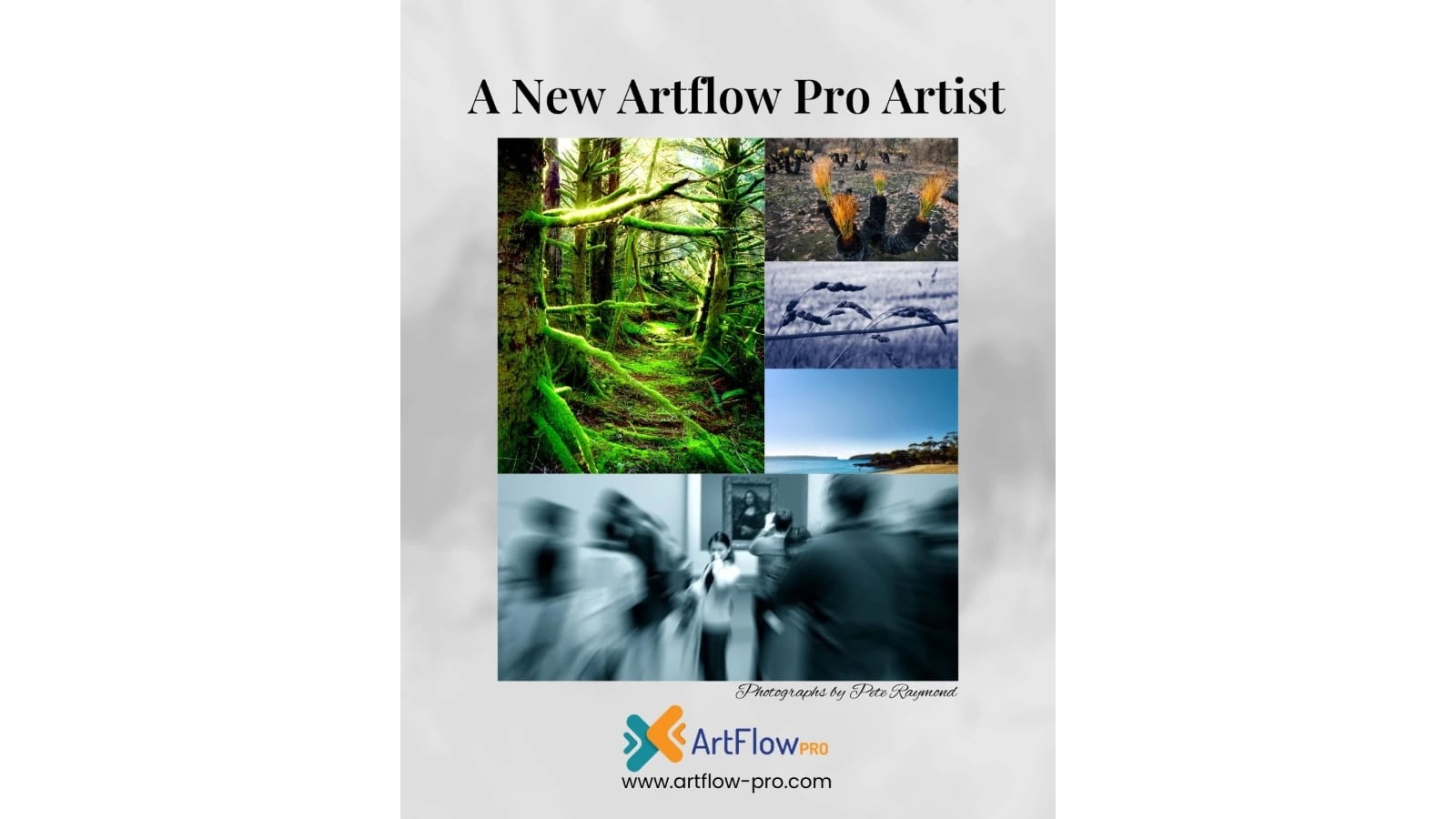
Buying fine art photography prints feels simpler than buying a painting, right up until you're standing in front of one. Is it a one-off or one of a hundred? Will it fade in a year on a sunny wall in Brisbane? And why is the same image A$450 at one size and A$1,600 at another?
A photograph can be printed again and again, so everything that makes a print valuable sits in the details around it: how many exist, how it was made, what it's printed on, and what paperwork comes with it. Once you know what to ask, buying photography gets a lot less nerve-racking.
Key takeaways
A limited edition caps how many prints of an image will ever exist at that size. Open editions don't.
Ask how the print was made. Archival pigment, silver gelatin, and C-type prints look and age differently.
Good fine art photography prints come on acid-free archival paper with a signed certificate.
Frame behind UV-protective glazing and keep prints out of direct sun and bathroom humidity.
In Australia, commercial resales of A$1,000 or more can attract a 5% resale royalty for the artist.
What makes a photograph "fine art"
There's no official line, but in practice it comes down to three things: the photographer made the image as an artwork rather than for a client, the print is made to archival standards, and the number of prints is controlled and documented. A poster of the same image isn't one of the fine art photography prints collectors mean, even if it looks similar from across the room.
Limited editions, open editions and artist's proofs
Most fine art photography prints are sold in editions, and this is the first thing to ask about, because it matters most for value.
A limited edition means the photographer has committed to printing only a set number at that size, say 25. Each print is numbered, so 7/25 is the seventh of twenty-five. Once the edition sells out, that's it.
An open edition has no cap. Open edition prints are usually cheaper and perfectly lovely to live with, but they don't carry the same scarcity.
Artist's proofs, marked AP, are a small number of extra prints outside the edition, traditionally kept by the photographer. They're usually priced the same as, or slightly above, the edition prints.
Many photographers sell the same image in two or three sizes, each with its own edition. That's why a small print can be affordable while the large one costs several times more. It's also common for the price to step up as an edition sells, so the last few prints cost more than the first.
The main types of photographic prints
i. Archival pigment print
The one you'll see most often today. It's printed with pigment inks on archival paper, usually cotton rag, and gives rich detail and colour. Framed properly, it's very stable.
ii. Silver gelatin print
The classic black and white print, made by hand in a darkroom on light-sensitive paper. Each one comes out slightly different, and plenty of collectors love it for exactly that reason.
iii. C-type print
Exposed onto colour photographic paper and chemically processed. It has a smooth, glossy finish, but it needs careful framing and a spot away from strong light.
You'll also hear archival pigment prints called giclée prints. It's the same idea: pigment inks, archival paper, controlled printing.
Questions to ask before you buy fine art photography prints
Is it a limited edition, and how big is the edition? That tells you how many will ever exist at this size.
Which number is this one? A lower number isn't worth more, but you should know what you're buying.
How was it printed, and on what paper? It changes how the print looks, how it ages, and how you look after it.
Is it signed, and is there a certificate? That's your proof of authenticity and your record of the edition.
Who printed it? Plenty of photographers print their own work or use a fine art lab they trust.
Is framing included? Good archival framing costs real money, and it's what protects the print.
Photographers who catalogue their work properly will have all of this on hand, because it's exactly what a record should hold. Our guide to the types of artwork covers what serious buyers ask about photography alongside every other medium.
Certificates of authenticity
A certificate should name the photographer, the title, the year, the print size, the edition number, the print type and paper, and carry the photographer's signature. Some photographers sign the print itself on the back or in the margin as well. Every one of the fine art photography prints you own should have one. Keep the certificate with your receipt. If you ever sell or insure the print, you'll need both.
Framing and caring for fine art photography prints
Most damage to photographs comes from light, humidity and cheap materials. Australian conditions don't help. Afternoon sun through a west-facing window will fade colour prints faster than you'd expect, and the humidity in Brisbane, Cairns or Darwin can cause mould or buckling if a frame isn't sealed well.
Frame behind UV-protective glass or acrylic
Use acid-free mount board, never ordinary cardboard backing.
Leave a small gap between print and glass so they never touch.
Hang away from direct sun, kitchens, and bathrooms.
If you're storing prints unframed, keep them flat in an acid-free box
Tip: Ask the photographer or gallery who they recommend for framing. A framer who works with photographers regularly will know which glazing and mounts suit that particular paper, and it's the single biggest thing you can do to protect your print.
The resale royalty: what collectors should know
Australia has a Resale Royalty Scheme for visual artists. When an eligible artwork is resold commercially for A$1,000 or more, through a gallery, dealer or auction house, the artist receives 5% of the sale price. It's collected by Copyright Agency; it covers photographs as well as paintings, prints, and sculpture (the Arts Law Centre has a clear summary), and since March 2025 it also applies to resales in 26 reciprocal countries.
For a buyer, it's a small cost that's usually handled by the gallery or auction house on resale. It's also a nice thing to know: if a photographer's work grows in value, they share in it.
Buying directly from the photographer
Buying direct often means a better conversation, not a lower price. You can ask how the image was made, see other prints in the edition, and sometimes visit the studio. Most photographers keep their prices the same in the studio as at a gallery, so buying direct is about the connection rather than a discount.
Many Australian photographers now keep their editions, certificates and availability in one place, so you can see what's actually left before you fall for something. The ArtFlow photography page fills up as photographers choose to list their work publicly, and you can browse all artworks by state and medium in the meantime.
If you're new to collecting in general, our guide to starting a ceramics collection shares a lot of the same thinking: buy what you'll live with, learn to tell good from merely pretty, and don't overspend on your first piece.
Questions collectors ask about photography prints.
Are fine art photography prints a good investment? They can hold or grow in value, especially limited editions by photographers whose reputations are rising, but buy because you love the image. Treat any increase in value as a bonus.
What's the difference between a print and a poster? Fine art photography prints are made on archival paper with stable inks, controlled in number, and signed. Posters are mass-produced on standard paper and fade much faster.
Does a lower edition number mean a more valuable print? Not usually. 3/25 and 22/25 are the same print. Some collectors prefer low numbers, but it rarely changes the value.
How long do archival pigment prints last? Framed well and kept out of direct sun, they're very stable and designed to last for generations. Light and humidity are what shorten a print's life.
Do I pay the resale royalty when I buy? No. It applies when an eligible work is resold commercially for A$1,000 or more, and it's usually handled by the gallery or auction house at that point.
The short version
When you buy fine art photography prints, you're really buying the details: the edition, the print type, the paper, the signature and the certificate. Ask about each one, frame it properly, keep it out of the harsh Australian sun, and you'll have a print that looks as good in twenty years as it does the day you hang it.